
Table of Contents
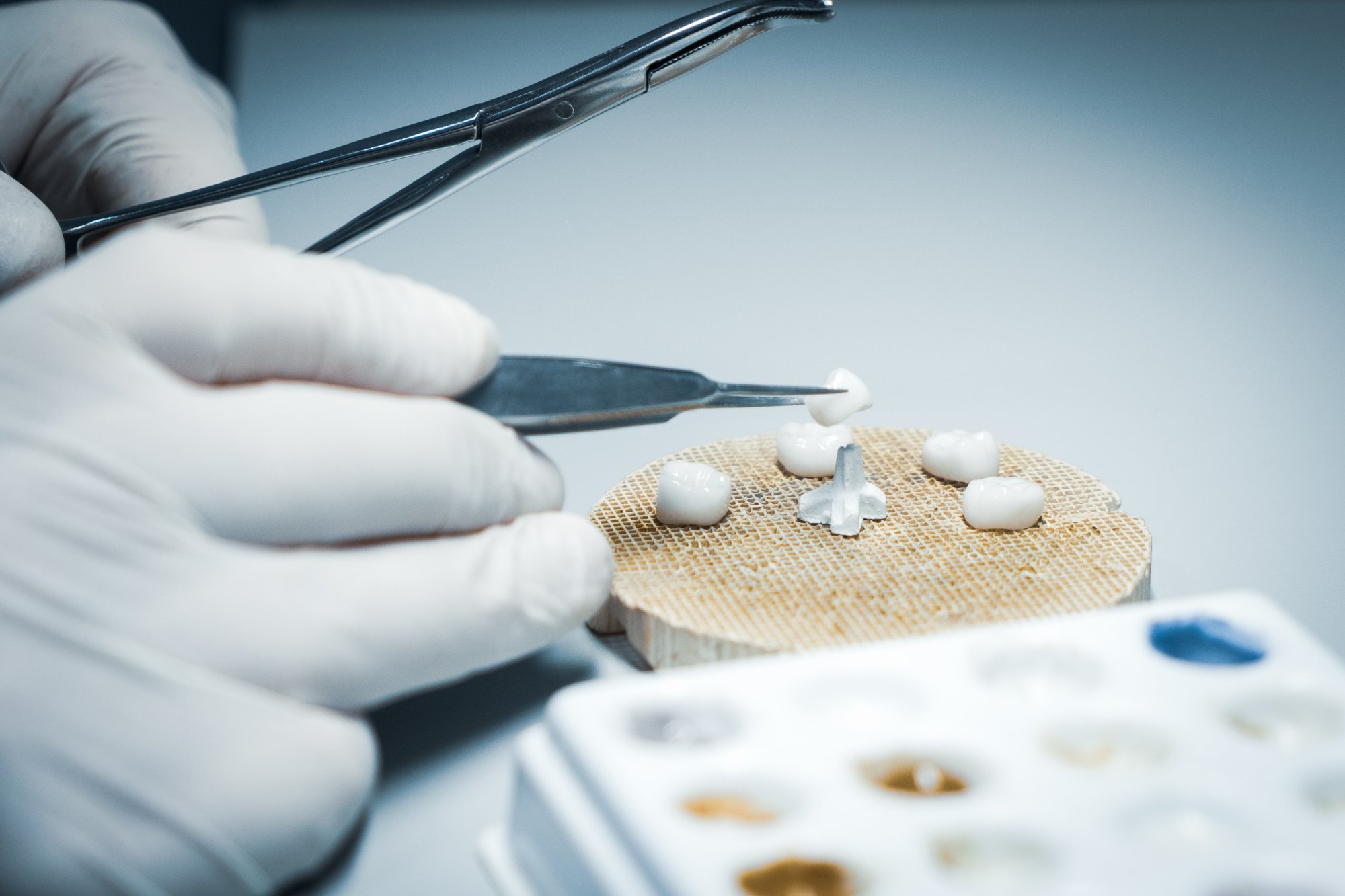
Worried that veneers will give you an obvious, too-perfect smile? The fear that veneers look fake is common, yet it usually traces back to a few dramatic, poorly matched examples. A porcelain veneer is a thin, custom shell that fits over the outward face of a tooth to refine its color, shape, or alignment. Porcelain veneers are shaped and shaded to match your face and your natural teeth, not to stand out. Done well, they hold up under bright daylight and close-up photos.
Key Takeaways
- Natural-looking veneers depend on shade matching, tooth shape, and the skill of the dentist.
- Porcelain reflects and scatters light much like real enamel, which is a big part of what gives well-made veneers their lifelike look.
- Veneers tend to look fake only when they are too white, too bulky, or all the same shape.
- A good cosmetic result starts with a preview, so you approve the look before anything is permanent.
- Most people around you will notice a nicer, healthier smile without ever guessing that veneers are the reason behind it.
What Makes Veneers Look Fake?
Veneers usually look artificial for a handful of predictable reasons, not because of the material itself. The most common giveaway is a shade of white that is far brighter than any natural tooth could ever be, sometimes called toilet-bowl white. Veneers that are too thick, too long, or shaped identically across every tooth also read as artificial, since real teeth vary slightly in size and edge. Poor shade blending against the neighboring teeth is another frequent culprit, and so is a flat, overly glossy surface that lacks the fine texture real enamel has.
Almost all of these issues trace back to design choices rather than the porcelain itself. When the shade, length, and shape are planned with restraint, the result looks like teeth, not a row of identical tiles.
How Do Dentists Make Veneers Look Natural?
A natural result starts long before any porcelain is placed, with a careful look at your face, your smile line, and your existing teeth. According to the Cleveland Clinic, veneers are thin coverings made from tooth-colored porcelain or composite that sit over the visible part of a tooth. Porcelain is chosen for cosmetic work partly because it is slightly translucent, letting light pass through the way natural enamel does. Skilled shade selection, subtle variation in tooth shape, and a lifelike surface texture complete the effect.
Many dentists also use a trial smile, a temporary mock-up you can see and approve before the final veneers are made. That preview step is one of the best ways to avoid a result that looks overdone, since you get to react to the shape and shade while everything can still be changed. A dentist can adjust length, width, and shade until the smile still looks like yours, so it holds up from a work meeting to a dinner at The Village at Westfield Topanga.
Can People Tell If You Have Veneers?
When veneers are designed with natural proportions, most people simply register a healthier, more even smile. They notice that something looks nice without being able to put a finger on it, and they rarely jump to the conclusion that veneers are involved. The tells that give veneers away are almost always signs of overcorrection, such as excessive whiteness or bulk, rather than the presence of veneers themselves. Subtlety is what keeps them believable, even up close. A skilled cosmetic dentist actually builds in tiny imperfections, since teeth that are a little irregular look much more human than a row of flawless, matching rectangles.
Frequently Asked Questions
Do veneers look bigger than natural teeth?
They should not. Well-designed veneers follow the proportions of your natural teeth, and any added length or width is kept within a range that still looks balanced for your face.
Will veneers blend with my surrounding teeth?
In a well-planned case, yes. The porcelain shade is picked to sit naturally beside your other teeth, and if you plan to whiten first, that happens before the veneers are matched to your final color.
Do veneers stain or turn yellow over time?
Porcelain resists staining better than natural enamel, so veneers tend to hold their color well. Good brushing and regular cleanings keep them looking fresh for years.
A Smile That Still Looks Like You
The worry that veneers look fake fades once you understand that the artificial results come from a handful of avoidable design choices. Porcelain veneers are planned around your face and your natural teeth, with a preview so you approve the look before it is final. Shade, shape, and translucency are chosen to blend in rather than announce themselves. The goal is a smile that looks rejuvenated and healthy, like your own teeth on their best day, not replaced.
If you want to learn more about how porcelain veneers can look natural, visit our Porcelain Veneers in Woodland Hills, CA page or schedule a consultation.