

Table of Contents
Facing a decision about whether to save your tooth or replace it with a dental implant is one of the more consequential choices you can make in dental care—and it comes up more often than you might expect. A damaged or infected tooth does not always mean the end of that tooth, but it does not always mean it is worth saving either. The right answer depends on a clinical picture that only a thorough evaluation can provide, and understanding how each path works helps you walk into that conversation prepared.
Key Takeaways
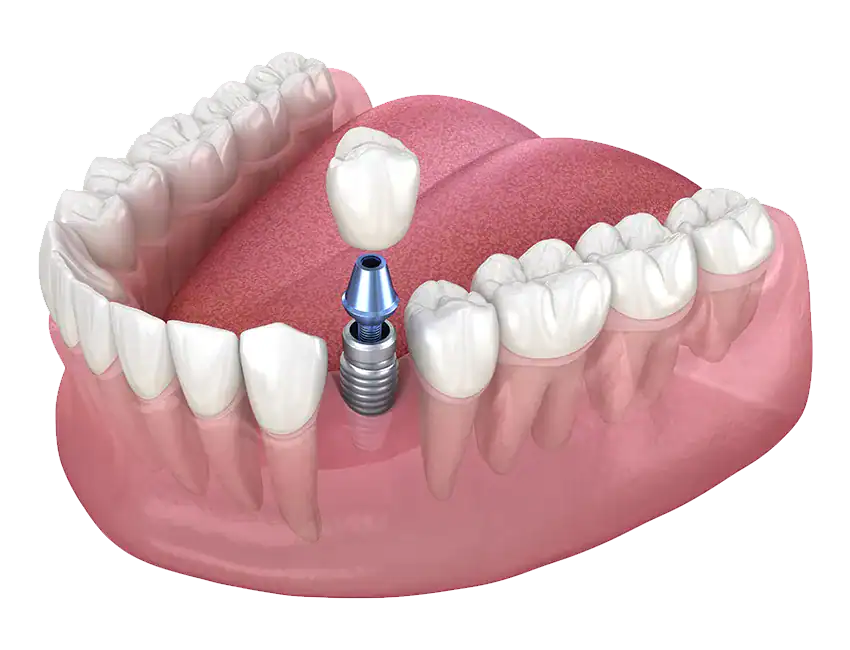
- A root canal removes infected tissue and preserves the natural tooth; an implant replaces the tooth after extraction with a titanium post and crown.
- Natural teeth provide functional, structural, and biological advantages that implants replicate closely but not identically.
- A tooth with adequate remaining structure, healthy surrounding bone, and a savable root is generally worth trying to keep.
- Some teeth are too compromised to be restored reliably, and extracting them followed by a well-timed implant produces a better long-term outcome.
- The total cost of extraction plus implant often exceeds the cost of a root canal and crown, making saving the tooth the more economical path when it is viable.
Why Saving a Natural Tooth Is Usually the First Goal
Natural teeth have properties that are difficult to fully replicate. The periodontal ligament—a thin layer of connective tissue surrounding each tooth root—acts as a shock absorber during chewing and transmits sensory feedback that implants do not provide. The root also stimulates the surrounding jawbone with every bite, which helps maintain bone density and volume over time.
When a tooth is extracted, even if an implant is placed promptly, there is a period during healing where bone remodeling occurs. An implant integrates with the bone and preserves it far better than a gap or a traditional bridge, but the process is not immediate. Keeping the original tooth avoids that gap entirely and maintains the existing bone architecture without requiring a surgical healing period.
What Determines Whether a Tooth Is Worth Saving?
Not every damaged tooth is a good candidate for a root canal. Your dentist evaluates several factors to determine whether the effort and investment of treatment are likely to produce a durable, long-term result:
- Remaining coronal structure: Enough healthy tooth must exist above the gumline to support a crown after the root canal; a tooth that has lost too much of its crown may not hold a restoration reliably
- Root integrity: Vertical fractures that extend into the root below the gumline typically cannot be repaired and make extraction the more appropriate recommendation
- Bone support: Significant bone loss from advanced periodontal disease can compromise the stability of even a well-treated tooth over time
- Restorability of the final crown: A successful root canal only matters if the resulting tooth can be crowned effectively—the restoration is what determines long-term function
- History of the tooth: A tooth that has already been treated once and failed, or that has extensive prior restorations, may have a lower prognosis than a tooth being treated for the first time
When an Implant Is the Better Plan
There are situations where extraction followed by an implant is not a compromise—it is genuinely the better clinical outcome. A tooth with a severe vertical root fracture, a root that is too short to provide stable support, or a crown so structurally compromised that it cannot be reliably restored is not a good investment for root canal treatment.
In these cases, placing a dental implant after extraction and adequate healing preserves bone, restores full chewing function, and eliminates the risk of the compromised tooth failing again months or years later. A well-placed implant can last decades with proper care and does not affect the neighboring teeth the way a bridge would.
The key is timing. Implants are typically placed after sufficient healing has occurred following extraction. Your provider will discuss the timeline based on your specific bone volume and healing history.
How Do the Costs Compare Over Time?
A root canal followed by a crown typically costs less upfront than an extraction plus implant. The implant process involves the surgical placement of the post, a healing period, and then the placement of the abutment and crown—each step carrying its own cost.
Over a 10 to 20-year horizon, the economics shift depending on outcomes. A root canal-treated tooth with a good crown can last many years at no additional cost beyond maintenance. An implant, once fully integrated, also has a long lifespan without replacement costs. Where patients sometimes underestimate the cost of extraction is in assuming they will eventually get an implant, but delaying it for years, the bone loss that occurs during that delay can require a bone graft before implant placement is even possible.
The Goal Is Always the Best Long-Term Outcome for Your Mouth
Whether you save your tooth with a root canal and crown or move forward with extraction and a dental implant, the right choice is the one that gives you a stable, functional result over the long term. For most teeth with adequate structure and bone support, the root canal is worth pursuing. For teeth that cannot be reliably restored, a well-planned implant is an excellent and durable alternative.
If you want to learn more about dental implants, visit our Dental Implants in Woodland Hills page or schedule a consultation.